
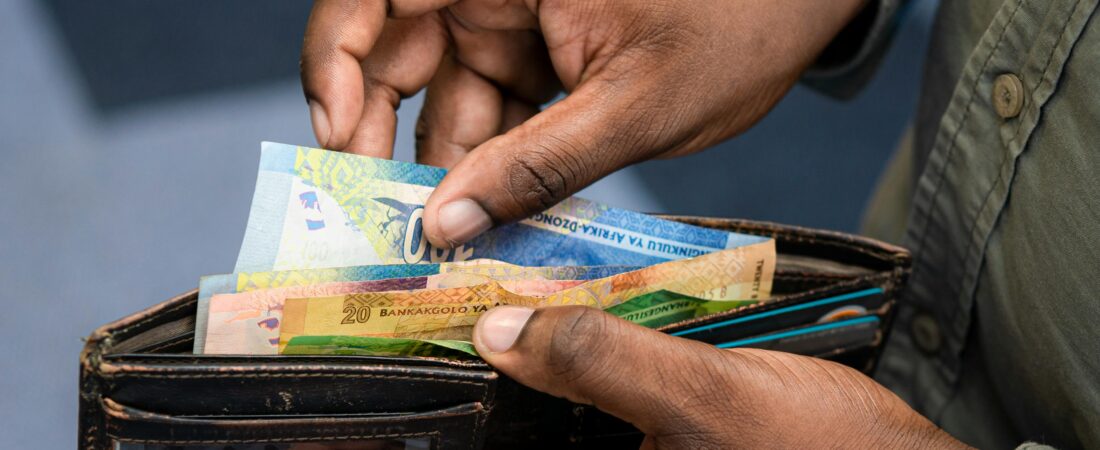
One of the most stressful parts of running a small business in South Africa is payroll. Get it wrong and you’re facing angry employees, SARS penalties and a whole lot of admin headaches. Get it right and it becomes one of the most straightforward parts of running your business.
The good news? With the right system in place, payroll doesn’t have to be complicated. This guide walks you through everything you need to know — from registering as an employer to paying your staff correctly every single month.
What is Payroll and Why Does it Matter?
Payroll is the process of calculating and paying your employees their salaries or wages — including all the deductions, contributions and tax that needs to be handled correctly every pay cycle.
In South Africa, payroll is tightly regulated by SARS and the Department of Labour. As an employer you are legally required to:
- Deduct PAYE (Pay As You Earn tax) from employee salaries
- Contribute to UIF (Unemployment Insurance Fund)
- Submit EMP201 returns to SARS every month
- Issue IRP5 certificates to employees at tax year end
- Comply with the Basic Conditions of Employment Act
Get any of these wrong and you could face serious penalties from SARS — so it’s worth getting right from day one.

Step 1 — Register as an Employer with SARS
Before you can run payroll you need to register as an employer with SARS. This is a legal requirement the moment you hire your first employee.
How to register:
- Go to sars.gov.za
- Log into your eFiling account (or create one if you don’t have one)
- Click on “Register New” and select “Employer”
- Complete the EMP101 form
- SARS will issue you an employer tax reference number
You’ll use this reference number for all your monthly PAYE submissions going forward.
Step 2 — Register for UIF
Every employer in South Africa must register for UIF (Unemployment Insurance Fund). Both you and your employee contribute 1% of the employee’s salary each — so 2% total goes to UIF every month.
How to register:
- Register online at ufiling.labour.gov.za
- Or visit your nearest Department of Labour office
- You’ll need your employer tax reference number from SARS
UIF must be paid by the 7th of every month — missing this deadline results in penalties.
Step 3 — Understand the Key Payroll Deductions
Every time you run payroll there are specific deductions you need to calculate correctly:
PAYE (Pay As You Earn) Income tax deducted from employee salaries based on SARS tax tables. The amount depends on how much your employee earns. SARS publishes updated tax tables every year — always use the current year’s tables.
UIF (Unemployment Insurance Fund) 1% from the employee + 1% from you as the employer = 2% total. Capped at a monthly salary of R17,712 — so maximum UIF contribution per employee is R177.12 per month.
SDL (Skills Development Levy) If your total annual payroll exceeds R500,000 you must pay SDL at 1% of your total payroll. Smaller businesses are exempt.
Pension or Provident Fund (if applicable) If your business offers a pension or provident fund, contributions are deducted from employee salaries and paid to the fund provider monthly.
Step 4 — Calculate Employee Pay Correctly
For each employee you need to calculate:
- Gross salary — what they earn before deductions
- PAYE — calculated using SARS tax tables based on gross salary
- UIF employee contribution — 1% of gross salary
- Any other deductions — pension, medical aid etc
- Net salary — what gets paid into their bank account after all deductions
Example calculation:
- Gross salary: R15,000
- PAYE: R1,200 (based on SARS tables)
- UIF employee: R150
- Total deductions: R1,350
- Net salary paid to employee: R13,650
As the employer you also pay:
- UIF employer contribution: R150
- SDL (if applicable): 1% of total payroll

Step 5 — Submit Your EMP201 Return Every Month
Every month you must submit an EMP201 return to SARS declaring:
- Total PAYE collected from all employees
- Total UIF contributions (employee + employer)
- Total SDL (if applicable)
How to submit:
- Log into sars.gov.za/eFiling
- Click on “Returns” then “Employer”
- Select “EMP201”
- Complete the form with your monthly totals
- Make the payment before the 7th of every month
Missing the 7th deadline results in interest and penalties — set a monthly reminder so you never miss it.
Step 6 — Issue Payslips to Employees
South African law requires you to give every employee a payslip every pay period. A payslip must show:
- Employee name and ID number
- Pay period
- Gross salary
- All deductions itemised (PAYE, UIF, pension etc)
- Net salary
- Employer details
You can generate payslips automatically using payroll software — which brings us to the most important step.
Step 7 — Use Payroll Software to Automate Everything
Trying to do all of this manually in a spreadsheet is a recipe for errors and stress. The right payroll software calculates everything automatically, generates payslips, submits to SARS and keeps you compliant — all with a few clicks.
Best payroll software for South African small businesses:
Sage Payroll — Best Overall for SA Businesses
Sage is the gold standard for South African payroll software. It’s built specifically for SARS compliance, automatically updates with the latest tax tables, generates IRP5 certificates and integrates directly with eFiling.
👉 Try Sage Payroll free for 30 days
SimplePay — Best for Small SA Teams
SimplePay is a cloud-based payroll solution built specifically for South African businesses. It’s simple, affordable and handles everything from PAYE calculations to UIF submissions automatically.
PaySpace — Best for Growing SA Businesses
PaySpace is a comprehensive HR and payroll platform popular with growing South African businesses. It handles payroll, leave management, HR and compliance all in one place.
Annual Payroll Obligations
Beyond monthly submissions, you also have annual payroll obligations:
IRP5 Certificates — Due by 31 May At the end of every tax year (February) you must issue each employee an IRP5 certificate showing their total earnings and tax deducted for the year. These are submitted to SARS via your EMP501 reconciliation.
EMP501 Reconciliation — Due by 31 May An annual reconciliation of all PAYE, UIF and SDL paid during the tax year. Submit via eFiling by 31 May every year.
Annual Bonus / 13th Cheque If you pay employees an annual bonus it must be included in payroll calculations and PAYE must be deducted correctly. Payroll software handles this automatically.
Common Payroll Mistakes to Avoid
Using the wrong tax tables SARS updates tax tables every year in February. Always make sure your payroll software is using the current year’s tables — good payroll software updates automatically.
Missing the 7th deadline The 7th of every month is non-negotiable. Missing it results in penalties and interest. Set a recurring calendar reminder.
Not registering for UIF Many small business owners skip UIF registration thinking it doesn’t apply to them. It applies to every employer with at least one employee — no exceptions.
Paying cash without payslips Paying employees in cash without proper payslips and deductions is illegal in South Africa and can result in serious consequences. Always run everything through a proper payroll system.

Summary — Payroll in South Africa Step by Step
- ✅ Register as an employer with SARS
- ✅ Register for UIF with the Department of Labour
- ✅ Set up payroll software (Sage, SimplePay or PaySpace)
- ✅ Calculate gross salary, PAYE, UIF and other deductions each month
- ✅ Pay net salary into employee bank accounts
- ✅ Submit EMP201 and pay PAYE + UIF to SARS by the 7th
- ✅ Issue payslips to all employees every pay period
- ✅ Submit EMP501 reconciliation and IRP5s by 31 May annually
Related articles:
- Sage vs Xero vs QuickBooks: Best Accounting Software for SA Small Businesses
- 10 Best Tools to Run Your South African Small Business in 2026
- Best CRM Tools for South African Small Businesses in 2026
SmartBizSA independently reviews software and tools for South African small businesses. We may earn a commission if you sign up through our links, at no extra cost to you. All recommendations are based on genuine research and are not influenced by affiliate partnerships.